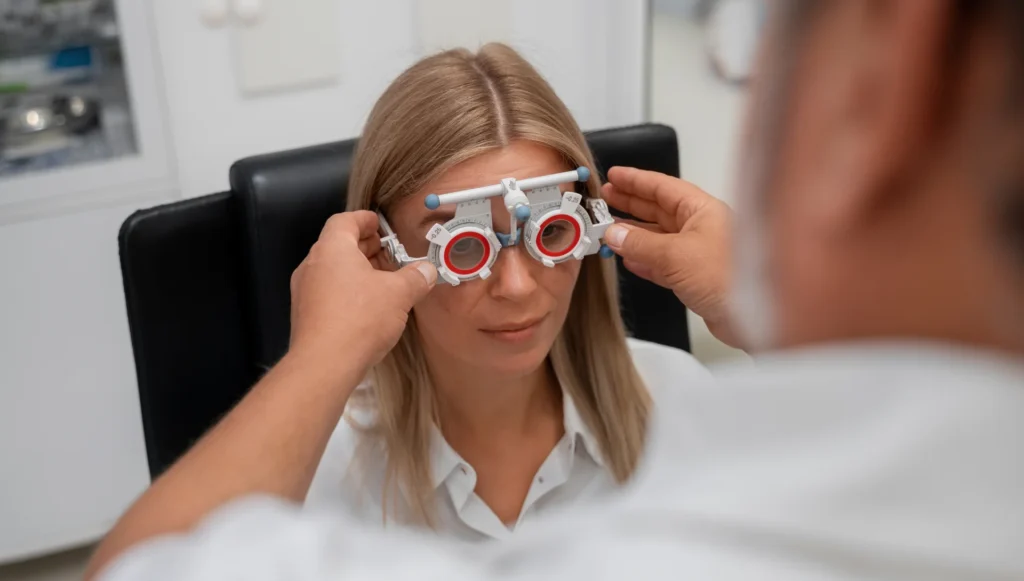
Diagnosing your particular condition is the first step toward understanding and treating it effectively.
Cataracts
A cataract is a clouding of the eye’s lens. By age 65, more than 90% of Americans will develop cataracts. Over time, the cataract may grow larger and cloud more of the lens, worsening vision. In addition, cataracts can result from exposure to toxic substances, such conditions as diabetes, or arise after an eye injury.
We offer various cataracts surgery treatment options, including femtosecond laser surgery, OptiPlus TM ORA intraoperative testing, Toric Lens and Multi-focal lens replacement.
Glaucoma is a group of diseases that damage the eye’s optic nerve and can result in vision loss and blindness. Glaucoma most commonly appears in individuals 40 years and older. Aside from age, risk factors include a family history for glaucoma and diabetes. With early detection and treatment, you can often protect your eyes against serious vision loss. We’ll perform a thorough eye exam to reveal more risk factors, such as high eye pressure, thinness of the cornea, and abnormal optic nerve anatomy.
Diabetic retinopathy is the most common diabetic eye disease and can lead to blindness if left untreated. It is caused by changes in the retina’s blood vessels. Those with the condition may not notice vision loss right away; but over time, diabetic retinopathy can worsen, usually in both eyes. Individuals with Type I and Type II diabetes are at risk for the disease. With early detection our surgeons can perform laser treatment or retinal surgery to prevent vision loss. During a routine yearly screening, we may be able to spot early signs of retinopathy and start treatment.
Age-Related Macular Degeneration (AMD) is a common eye condition that affects the central part of your vision, making it harder to read, drive, or see faces clearly. It happens when the macula, the part of the retina responsible for sharp vision, begins to wear down with age.
While AMD doesn’t cause total blindness, it can greatly impact your daily activities. Regular eye exams are important for early detection, and lifestyle choices like a healthy diet and not smoking can help reduce your risk.