take the next step

Schedule an Appointment

Scottsdale Eye Physicians & Surgeons, PC
Glaucoma

Glaucoma Treatment

Protecting your vision through early detection and expert care

What is Glaucoma

Glaucoma is a group of eye conditions that damage the optic nerve—the critical link between your eyes and brain. Most commonly caused by elevated pressure inside the eye (intraocular pressure), glaucoma can lead to permanent vision loss if left untreated. It is one of the leading causes of blindness worldwide.

The most challenging aspect of glaucoma? It often develops without noticeable symptoms in the early stages. That’s why regular eye exams are so important—especially if you’re over 40 or have risk factors such as family history, diabetes, or high blood pressure.

Types of Glaucoma

There are several types of glaucoma, but the most common include:

  • Open-Angle Glaucoma: The most common form. It develops slowly and painlessly, often with no symptoms until vision loss occurs.

  • Angle-Closure Glaucoma: A more sudden and serious form, which can cause eye pain, headaches, and blurred vision.

  • Normal-Tension Glaucoma: Optic nerve damage occurs even though eye pressure remains within normal range.

  • Secondary Glaucoma: Results from an injury, inflammation, or another eye condition.

Symptoms of Glaucoma

Many people don’t notice glaucoma until it begins affecting their vision. However, some warning signs can include:

  • Gradual loss of peripheral (side) vision

  • Eye pain or pressure

  • Halos around lights

  • Blurred vision

  • Nausea or headaches (in acute cases)

If you’re experiencing any of these symptoms, schedule an eye exam right away.

Diagnosis & Testing

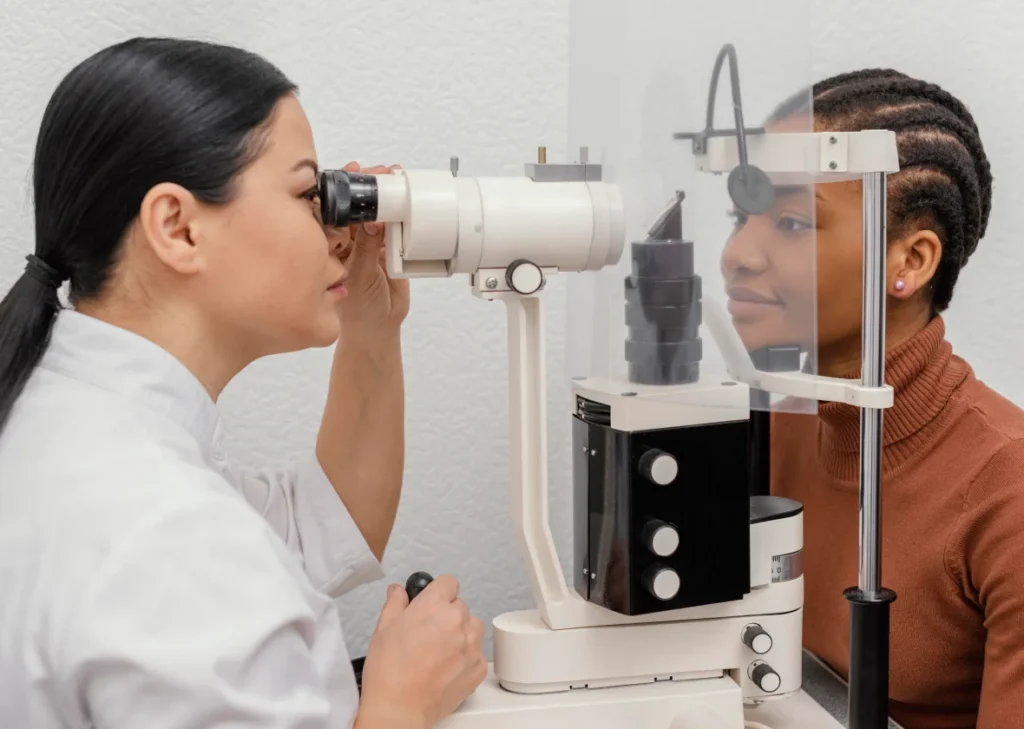
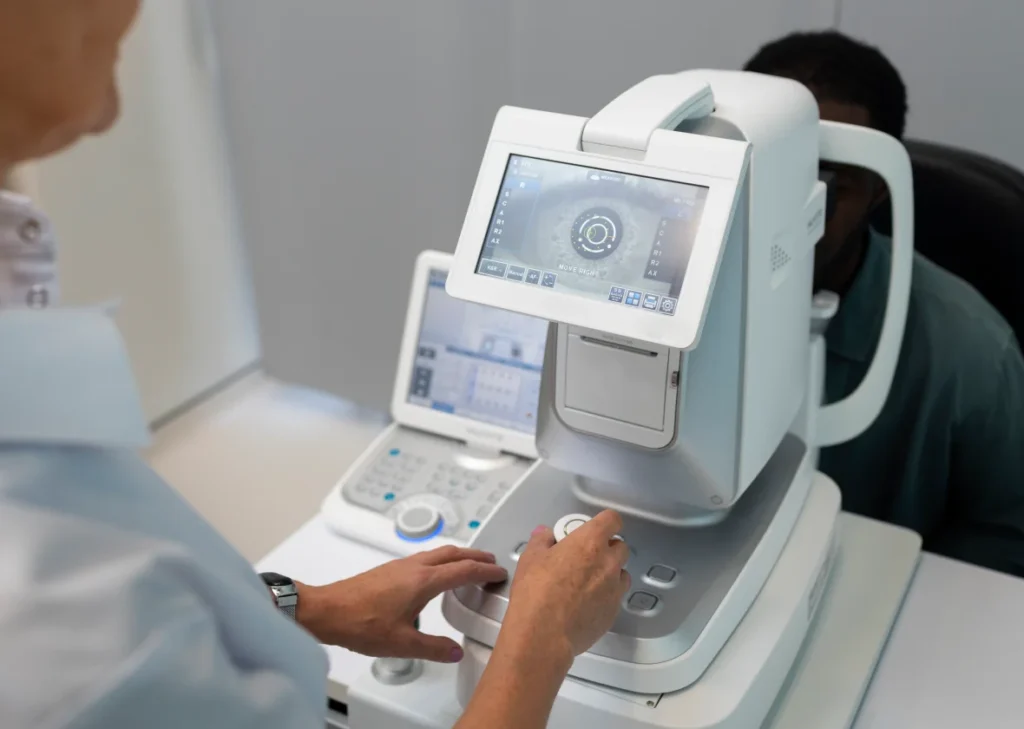
At Scottsdale Eye Physicians and Surgeons, we use advanced diagnostic tools to detect glaucoma in its earliest stages, including:

  • Tonometry (eye pressure measurement)

  • Visual field testing

  • Optical Coherence Tomography (OCT)

  • Pachymetry (measuring corneal thickness)

  • Dilated eye exam


Glaucoma Treatment Options

Glaucoma is a condition that damages the optic nerve, often due to high eye pressure. While it can’t be cured, early treatment can help prevent vision loss.

  • Prescription Eye Drops: The most common first step, these lower eye pressure by reducing fluid production or improving drainage.

  • Oral Medications: Sometimes used alongside drops to further reduce eye pressure.

  • Laser Treatments: Laser therapy can help fluid drain more effectively, lowering eye pressure with a quick, in-office procedure.

  • Surgery: If other treatments aren’t enough, surgical procedures can create new drainage pathways to lower eye pressure and protect your vision.

Regular eye exams are essential for early detection and management of glaucoma. If you have concerns about glaucoma or your eye pressure, schedule a comprehensive eye exam with us today.

Frequently Asked Questions

Early glaucoma usually has no noticeable symptoms. As it progresses, you may notice loss of peripheral (side) vision. Regular eye exams are key to early detection.

  • People over age 60

  • Those with a family history of glaucoma

  • Individuals with high eye pressure

  • African American, Hispanic, and Asian populations

  • People with certain medical conditions like diabetes

The symptoms can start so slowly that you may not notice them. The only way to find out if you have glaucoma is to get a comprehensive dilated eye exam. There’s no cure for glaucoma, but early treatment can often stop the damage and protect your vision.